
The tavern fight was legendary. Your barbarian grabbed the chandelier, swung across the room in a shower of splinters and candle wax, and crash-landed on three bandits at once. The innkeeper was furious. You paid for damages. It was glorious.
Ten sessions later, you return to the same tavern for a quiet drink. You glance up. The chandelier hangs there, pristine and gleaming, as if nothing ever happened.
The magic is broken.
This isn't just a minor continuity error. It's a signal that your choices don't matter, that the world carries on as it was before no matter what you do, that you're not really playing in a living story—you're just playing out disconnected scenes. And it's the core problem plaguing AI-powered RPGs right now.
The Art of the Callback
Great storytelling thrives on callbacks. Arrested Development turned "there's always money in the banana stand" into comedy gold by letting it echo across seasons. The joke gets funnier each time because you're in on it—you remember. That recognition, that feeling of being rewarded for paying attention, is pure narrative joy.
I experienced this first-hand watching The Mandalorian on Disney. There's a scene where Mando's Naboo Starfighter is being repaired, opened up in a garage. The internals seemed hauntingly familiar to me - so much so that I paused the episode, walked to my bookshelf, and pulled out Star Wars: Incredible Cross-Sections - a book I got in 1999 after The Phantom Menace came out. I flipped to the Naboo Starfighter schematics.
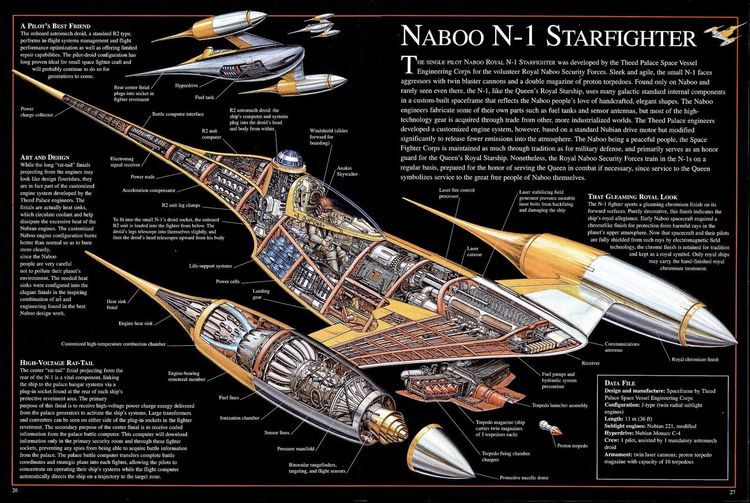
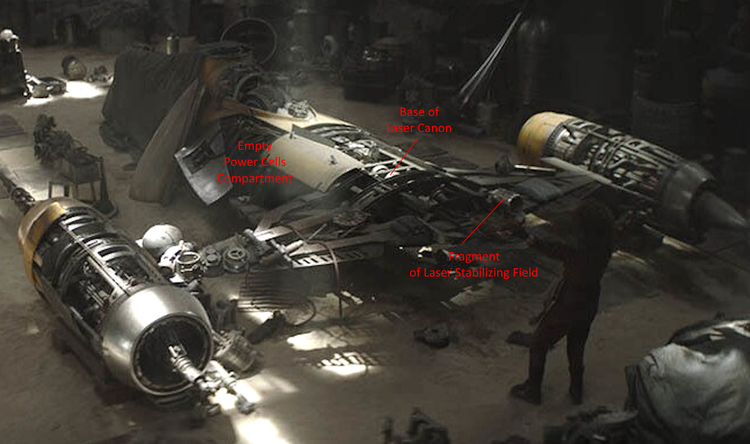
They matched.
The designers respected the 21-year old established lore, even for a split-second background detail. It mattered precisely because people like me would check. And finding that consistency was deeply rewarding.
RPG players are like this, but more so. They're not passive viewers—they're co-authors, which makes them deeply invested in the details. They remember the NPC shopkeeper's stutter, the cryptic prophecy from session three, the name of their character's dead mentor. When an AI game master forgets these details, it's not just a technical limitation - it's a betrayal of that investment.
Why Context Windows Are a Dead End
The current industry approach to AI memory is simple: throw as much as you can into massive Context Windows (The text you feed to into an LLM). Give the AI 100,000 words of conversation history and let it figure out what matters when it needs it.
This has two fatal problems.
Firstly, there's the cost and the speed. Sooner or later, the size of your conversation history will become just too big and you have to summarize what's happened and summarization means the nuance disappears - the details we care so much about. Did the player express regret about killing that guard, or did they laugh about it? Was the innkeeper angry or resigned? These details shape future interactions, but they're the first casualties of compression.
Second, even with everything there in to look at, large language models struggle with needle-in-haystack problems. Your broken chandelier is buried somewhere in the midst of 100,000 words of other details. The model doesn't know which details matter for this moment and the more you give it to choose from, the more likely it is to miss it - important context gets lost in the noise.
This isn't how human game masters work. We don't hold every detail in our heads simultaneously. Instead, we have associative memory. Walking into the blacksmith's shop triggers the memory of the sword commission. Seeing an NPC reminds us of the promise the party made to them. Context retrieves context, triggered by where we are in the story and what's happening right now.
Memory That Actually Works
At Fablecast, we've built something different. Our AI storyteller has associative memory, to recall details from way back many sessions ago, that are relevant for the moment. When you walk into that tavern, the storyteller remembers the chandelier being broken because its memory is "jogged" as we enter.
And here's the critical part: true associative memory can't be bolted on after the fact. You have to build and capture those associations as the memories form.
Think about it this way: imagine trying to remember where you put your keys by searching through a diary of everything you did today. Even if every detail is written down, finding the right moment requires reading through breakfast, your commute, that awkward conversation with your colleague, the meeting notes... It's all there, but the connection between "where are my keys?" and "I put them on the kitchen counter" isn't automatic.
Now imagine instead that when you put your keys down, your brain automatically linked that action to the location (kitchen counter), the context (getting home from work), and related objects (the coffee mug you set down next to them). When you later think "keys?", your brain doesn't search through everything—it jumps straight to the relevant memory because of the associations set up when you formed the memory.
That's how Fablecast makes persistent, coherent storytelling possible.
Stories That Stay With You
The difference between a forgettable session and a legendary campaign isn't just what happens—it's what continues to happen because of what happened before. The inside jokes that become party traditions. The NPC who remembers you saved their shop three towns ago. The consequence that catches up with you twenty sessions later.
These aren't just nice touches. They're what transform a game from a series of impressive AI responses into a story you'll tell for years. The kind where you pause mid-session and say "wait, remember when we..." and everyone lights up because of course they remember.
Your choices should echo. Your broken chandelier should stay broken. Your world should feel like it persists between sessions, shaped by everything you've done, not generated fresh each time as if you were never there.
That's not just good technology. It's what makes a game worth coming back to.
*Ready to play an AI RPG that actually remembers? Experience the difference with Fablecast.